The Foundation of Growth: School Education and the Telangana State Board of Intermediate Education
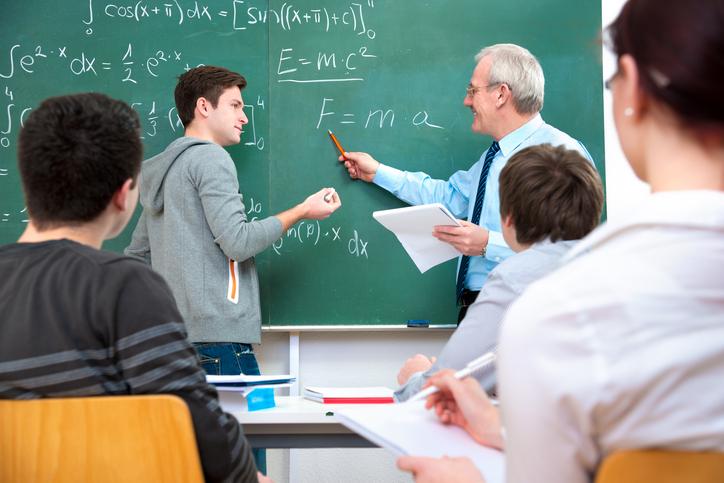
Education is the cornerstone of personal growth and national progress. It nurtures critical thinking, shapes values, and empowers individuals to contribute meaningfully to society. Among the various stages of learning, school education holds a special place — it builds the very foundation upon which all future knowledge rests. From early childhood classrooms filled with curiosity to high school corridors echoing with dreams and ambition, the journey of school education defines the path of a learner’s life.
In India, where diversity thrives across cultures and languages, each state has designed its educational framework to suit local aspirations and developmental goals. One shining example of such a system is the Telangana State Board of Intermediate Education (TSBIE) — a board that has been instrumental in shaping young minds, preparing them for higher education, and ensuring they are ready to face the evolving demands of the modern world.
The Importance of School Education
Before diving into the structure of Telangana’s intermediate system, it’s important to understand why school education is so vital. It’s not just about reading books or passing exams — it’s about developing the whole person.
Schooling gives children their first lessons in discipline, social interaction, and problem-solving. It teaches the basics of communication, mathematics, science, and ethics — all of which are essential for success in any walk of life. But beyond academic knowledge, school education helps shape identity. It fosters creativity, curiosity, and confidence — qualities that empower children to question, explore, and create.
In India, the education system is structured into several stages:
-
Primary Education (Classes 1–5) – This stage focuses on foundational learning, language development, and numeracy skills.
-
Upper Primary (Classes 6–8) – Students are introduced to more subjects, expanding their understanding of the world around them.
-
Secondary Education (Classes 9–10) – At this stage, learners develop deeper analytical and logical reasoning abilities, preparing for board examinations.
-
Senior Secondary or Intermediate Education (Classes 11–12) – This stage transitions students from school to college life, offering specialization in streams like Science, Commerce, or Arts.
It is this final phase — intermediate education — where the Telangana State Board of Intermediate Education plays a crucial role.
The Telangana State Board of Intermediate Education: A Pillar of Academic Excellence
The Telangana State Board of Intermediate Education (TSBIE) was established to regulate and oversee the intermediate education system in Telangana. It functions under the jurisdiction of the state government and ensures that students receive quality education, transparent evaluation, and career-oriented academic guidance.
TSBIE supervises both the first year (Class 11) and second year (Class 12) of intermediate education across government, private, and aided colleges in Telangana. The board’s vision is to make intermediate education more dynamic, inclusive, and relevant to today’s global challenges.
Key Objectives of the TSBIE
-
Curriculum Development: Designing an up-to-date syllabus that aligns with national standards while reflecting local values.
-
Examination Regulation: Conducting fair, transparent, and efficient board exams that evaluate students’ understanding rather than rote memory.
-
Quality Improvement: Implementing innovative teaching methods and introducing digital learning tools for enhanced comprehension.
-
Career Guidance: Helping students transition smoothly into higher education, vocational training, or professional courses.
Structure and Streams under TSBIE
Intermediate education in Telangana offers flexibility and specialization to cater to different career aspirations. Students can choose from three main streams:
-
Science Stream – For those aiming for careers in engineering, medicine, or pure sciences. Subjects include Physics, Chemistry, Mathematics, and Biology.
-
Commerce Stream – For students interested in business, finance, or management, this includes subjects like Economics, Accountancy, and Business Studies.
-
Arts (Humanities) Stream – For students with interests in literature, history, political science, or social work.
Each stream helps learners build a strong academic base for university education or professional courses like IIT, NEET, CA, or Civil Services.
TSBIE not only emphasizes academic excellence but also holistic development. Co-curricular activities, sports, cultural programs, and digital literacy are integral parts of the learning environment.
Evaluation and Grading System
The board follows a transparent and student-friendly evaluation process. Each academic year is divided into theory and practical examinations. Internal assessments also play a role in evaluating performance throughout the year.
The grading pattern focuses on continuous assessment rather than one-time exams, which helps reduce exam-related stress. It motivates students to understand the subject rather than memorize facts.
The results published by TSBIE are highly respected across India and abroad. Colleges and universities consider the board’s curriculum rigorous and well-structured, ensuring that Telangana students are well-prepared for higher education opportunities.
Technology and Digital Initiatives
The Telangana State Board of Intermediate Education has been proactive in embracing technology to make learning more accessible and efficient. With the increasing integration of digital tools in education, the board has implemented several initiatives:
-
Online Learning Portals: Students can access digital study material, past papers, and mock tests through official portals.
-
E-Governance: The board has digitized various administrative processes such as admissions, hall ticket generation, and result declaration.
-
Virtual Classrooms: Especially during the pandemic, TSBIE introduced remote learning through online classes and recorded lectures.
-
Data Analytics: Performance data helps identify areas where students need extra support, ensuring targeted improvements.
These efforts have made intermediate education more inclusive and aligned with global trends in digital education.
Challenges and Reforms
No education system is without challenges. Over the years, both school education and intermediate education in Telangana have faced issues such as unequal access to resources, pressure from competitive exams, and a need for teacher training.
However, the state government and TSBIE have taken active measures to address these. Initiatives like Mana Ooru Mana Badi aim to improve school infrastructure across the state. Scholarships and fee reimbursement schemes help students from economically weaker sections continue their studies without financial burden.
Teacher development programs ensure that educators remain updated with new teaching methods, and mental health awareness campaigns help students deal with exam-related stress.
The Connection Between School and Intermediate Education
School education builds the foundation, while intermediate education refines it. The transition between Class 10 and Class 11 is crucial because it determines a student’s future academic and career direction.
A strong schooling system ensures that learners are confident and competent enough to handle the specialized subjects and pressures of intermediate education. The Telangana government has recognized this and continuously works to strengthen both levels so that the shift from school to college becomes smoother and more meaningful.
In essence, both stages are interconnected — without a solid school base, intermediate studies lose stability; without strong intermediate guidance, school learning loses direction.
The Broader Impact on Society
Education is not just an individual achievement; it’s a collective investment. Well-educated youth contribute to the development of the nation through innovation, leadership, and responsible citizenship.
The Telangana State Board of Intermediate Education, by nurturing lakhs of students every year, plays a key role in shaping the state’s social and economic growth. The students who graduate from TSBIE-affiliated institutions often go on to excel in national entrance exams, university programs, and professional careers across India and abroad.
Moreover, the emphasis on moral values, digital literacy, and civic responsibility ensures that the youth of Telangana not only aim for personal success but also for community betterment.
Looking Ahead: The Future of Education in Telangana
The future of education lies in adaptability. The world is evolving fast — with emerging technologies, global career opportunities, and interdisciplinary studies redefining traditional learning models.
The Telangana State Board of Intermediate Education has already taken steps in this direction. By blending classroom teaching with digital tools, promoting vocational courses alongside academics, and updating syllabi regularly, it prepares students for the realities of a changing world.
There’s also a growing focus on life skills — communication, leadership, critical thinking, and environmental awareness — ensuring that students graduate not only with knowledge but with the ability to use it wisely.
Conclusion
From the first day of kindergarten to the last day of intermediate college, school education is a lifelong gift that shapes who we are. It’s where curiosity is born, talents are discovered, and dreams take root.
In Telangana, the Telangana State Board of Intermediate Education carries forward this legacy with dedication and vision. It bridges the gap between school and higher education, giving young learners the confidence to step into the world as informed, skilled, and responsible citizens.
